Editor Team
Surveys are an indispensable tool for gathering insights from users, whether you’re in the realm of product development, marketing, or customer service. The effectiveness of a survey lies not only in the questions asked but also in how those questions are presented. In this article, we’ll explore survey design best practices, providing you with a step-by-step guide to enhance your survey’s effectiveness and improve user experience (UX).
Understanding the Importance of Survey Design

A well-designed survey can yield invaluable insights, while a poorly constructed one can lead to confusion, low response rates, and ultimately, unreliable data. The goal of UX survey best practices is to create a seamless experience that encourages participants to provide thoughtful and honest feedback from most of web design company.
The Role of User Experience in Surveys
User experience in surveys goes beyond just aesthetics; it encompasses the entire interaction that a respondent has with the survey. A positive UX can significantly increase completion rates and the quality of responses. Here are some key principles to keep in mind:
- Clarity: Ensure that questions are straightforward and free of jargon.
- Brevity: Keep surveys short to respect respondents’ time.
- Logical Flow: Organize questions in a manner that feels natural and intuitive.
Step 1: Define Your Objectives

Before diving into design, clarify what you aim to achieve with your survey. Are you looking to gather user satisfaction data, test a new feature, or understand market trends? Defining your objectives will help you formulate relevant questions and determine the appropriate survey format.
Key Questions to Consider
- What specific information do you need?
- Who are your target respondents?
- How will you use the data collected?
Step 2: Choose the Right Question Types
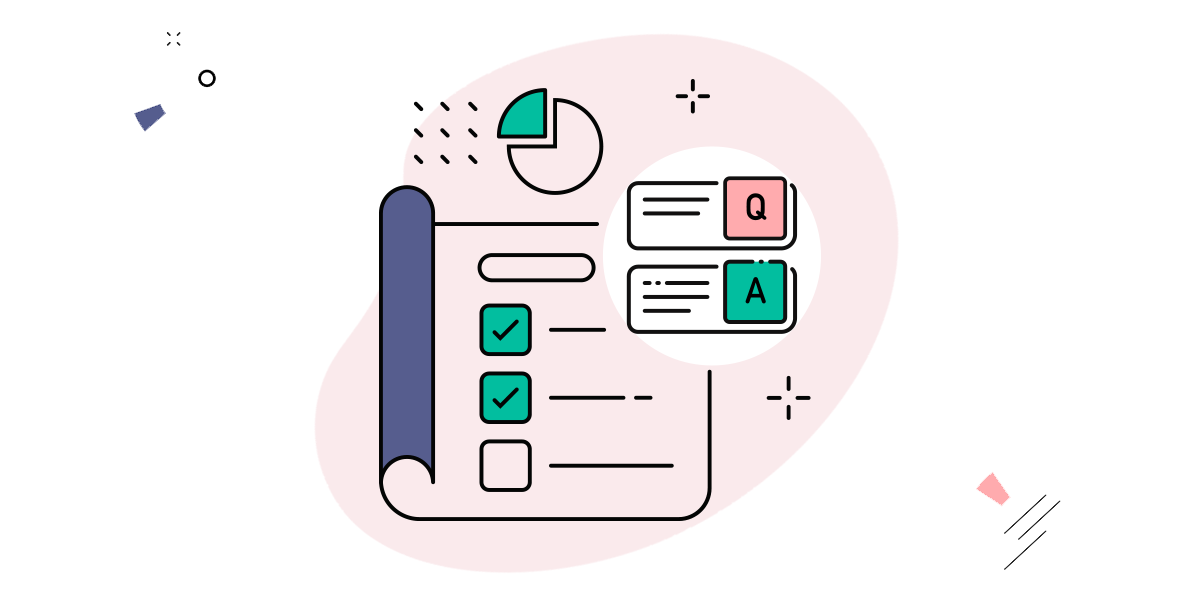
The type of questions you choose can significantly affect the quality of data you receive. Here are some common question types and their applications:
- Multiple Choice: Ideal for quantitative data and easy analysis.
- Rating Scales: Useful for measuring attitudes or satisfaction levels.
- Open-Ended Questions: Allow for qualitative insights but can be harder to analyze.
Balancing Different Question Types
A mix of question types can provide a richer dataset. For example, follow up a multiple-choice question with an open-ended question to gather context around the selected answer.
Step 3: Craft Clear and Concise Questions

Ambiguity can lead to misinterpretation, so it’s crucial to phrase questions clearly. Here are some tips for crafting effective questions:
- Use simple language and avoid technical jargon.
- Be specific about what you are asking.
- Limit the use of double-barreled questions (e.g., “How satisfied are you with our product and customer service?”).
Example of a Good vs. Poor Question
- Poor Question: “What do you think about our new features?”
- Good Question: “How satisfied are you with the new features we introduced in our latest update?”
Step 4: Organize Your Survey Logically

The flow of your survey matters. Start with easier questions to build rapport and gradually move to more complex ones. Here’s a suggested structure:
- Introduction: Briefly explain the purpose of the survey and how the data will be used.
- Screening Questions: Ensure respondents meet your criteria.
- Core Questions: Focus on the main objectives of your survey.
- Demographic Questions: Place these at the end to avoid biasing responses.
Importance of Transitions
Use clear transitions between sections to guide respondents. For example, “Now that we’ve covered your experience, let’s talk about your demographics.”
Step 5: Test Your Survey

Before launching your survey, conduct a pilot test. Share it with a small group to identify any confusing questions or technical issues. Gather feedback on the overall experience and make necessary adjustments.
Key Areas to Focus On
- Clarity of questions
- Length of the survey
- Technical functionality (e.g., mobile compatibility)
Step 6: Consider the Visual Design

A visually appealing survey can enhance user engagement. Here are some design tips:
- Consistent Branding: Use colors and fonts that align with your brand.
- White Space: Avoid clutter by incorporating sufficient white space.
- Mobile Optimization: Ensure your survey is mobile-friendly since many users will access it on their phones.
Use of Visual Elements
Incorporate visual elements like progress bars or images to make the survey more engaging. However, ensure that these elements do not distract from the questions.
Step 7: Incentivize Participation

Offering incentives can significantly boost response rates. Consider providing:
- Discounts or coupons
- Entries into a raffle
- Access to exclusive content
Communicate Incentives Clearly
Make sure to mention any incentives prominently in your introduction so respondents know what they stand to gain.
Step 8: Analyze the Data Effectively

Once your survey is complete, the next step is data analysis. Employ statistical tools to interpret quantitative data and thematic analysis for qualitative responses. Look for patterns and insights that align with your initial objectives.
Reporting Your Findings
When presenting your findings, consider your audience. Use clear visuals and straightforward language to convey insights effectively.
Conclusion
Effective survey design is a blend of art and science, requiring careful consideration of both the questions being asked and the experience of the respondent. By following these survey design best practices, you can create surveys that not only gather valuable data but also respect the time and effort of your participants. Remember, a well-designed survey is an opportunity—one that can yield insights to drive your organization forward.
By implementing these strategies, you’ll be well on your way to crafting surveys that are not only user-friendly but also yield high-quality data. Whether you’re a seasoned researcher or new to the field, these best practices will enhance your survey design process and contribute to better decision-making.
Free images by unsplash

- The Key Drivers Behind Private Jet Charter Pricing - June 28, 2026
- Critical SP Page Builder Security Flaw: Update to Version 6.6.2 Immediately - June 19, 2026
- How Slot Games Evolved from Classic Machines to Online Platforms - September 29, 2025